
No Expansion Gap in Frameless Shower Glass Installation
When “Perfectly Tight” Starts to Fight Itself
The lines looked sharp.
Edges sat flush.
No visible gaps.
That was the goal.
At first, it felt premium.
Then the door started pushing back.
Subtle resistance.
Unusual pressure.
This is how No Expansion Gap in Frameless Shower Glass Installation begins.
Not with looseness. With tension.
The Detail That Gets Eliminated Too Often
He wanted a seamless look.
Minimal spacing. Clean finish.
So everything was installed tight.
Very tight.
No allowance for movement.
No tolerance built in.
It looked precise.
But it was restricted.
Glass had no room to adjust.
No room to settle.
This is where No Expansion Gap in Frameless Shower Glass Installation takes hold.
A system with no flexibility.
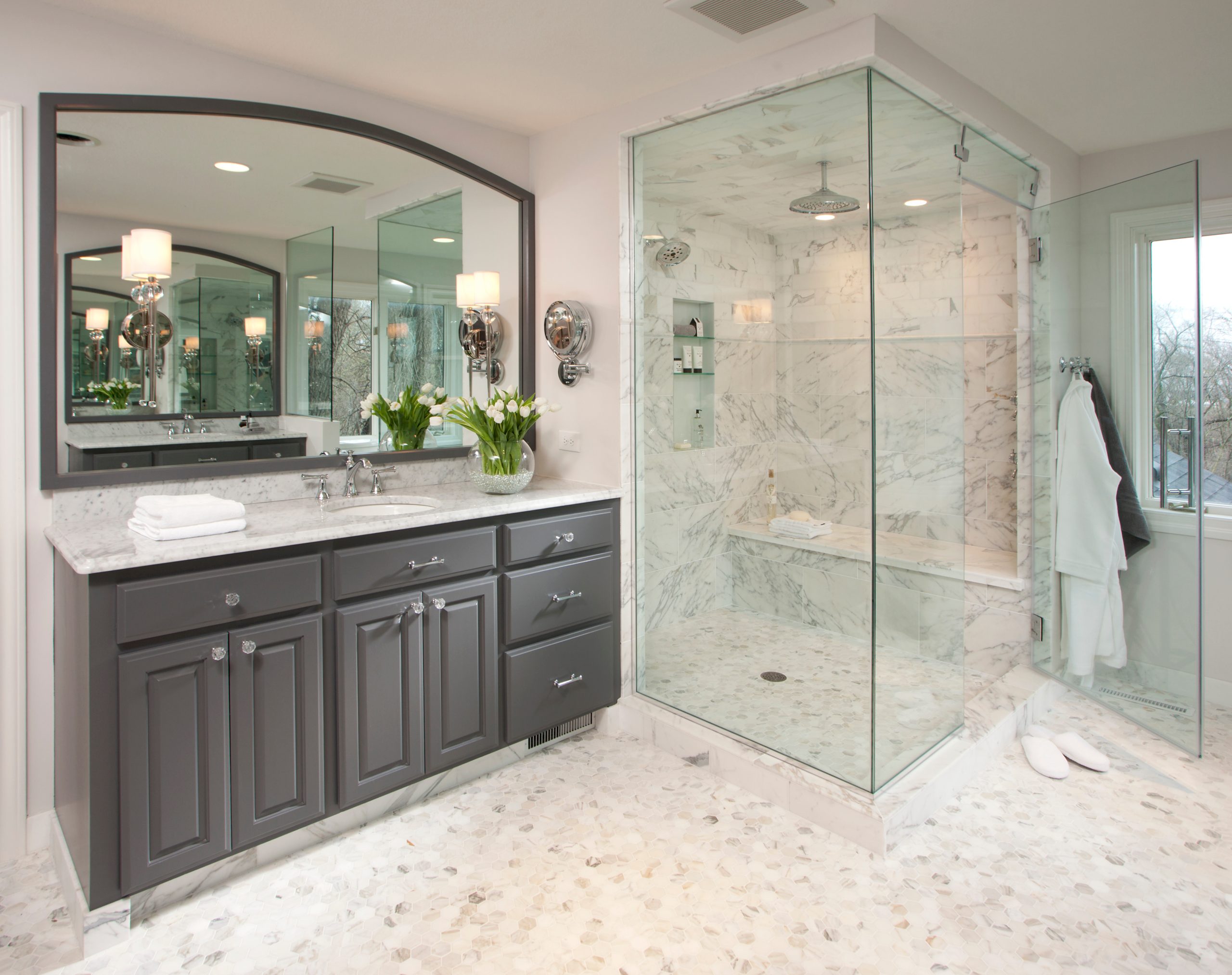
Why Frameless Glass Needs Controlled Space
Precision does not mean zero gap.
It means correct gap.
Glass expands slightly.
Surfaces shift over time.
Hardware settles with use.
Without space, pressure builds.
At hinges. At edges.
The system starts working against itself.
Movement becomes forced.
Not smooth.
This is not visible at install.
It develops with use.
- Out of Level Frameless Shower Door Installation Failure
- Wrong Shower Door Hardware Causing Glass Stress Cracks
- Incorrect Shower Door Measurements Leading to Leak Issues
- Improper Shower Door Installation Orientation Causing Water Escape
- Shower Curb Slope Failure Leading to Water Leaks
- Drilling Through Waterproofing During Shower Door Installation
- Crooked Shower Door Bracket Installation Causing Door Misalignment
- Missing Silicone Seal in Frameless Shower Door Installation
- Tempered Glass Shatter During Shower Door Installation
- No Expansion Gap in Frameless Shower Glass Installation
What Homeowners Notice Over Time
At first, everything feels solid.
Then the door feels heavier.
Closing becomes less smooth.
Alignment feels tighter.
Small signs appear.
Pressure builds at contact points.
Wear increases at edges.
The system feels stressed.
Because it is.
This is the progression of No Expansion Gap in Frameless Shower Glass Installation.
A perfect fit becoming a problem.
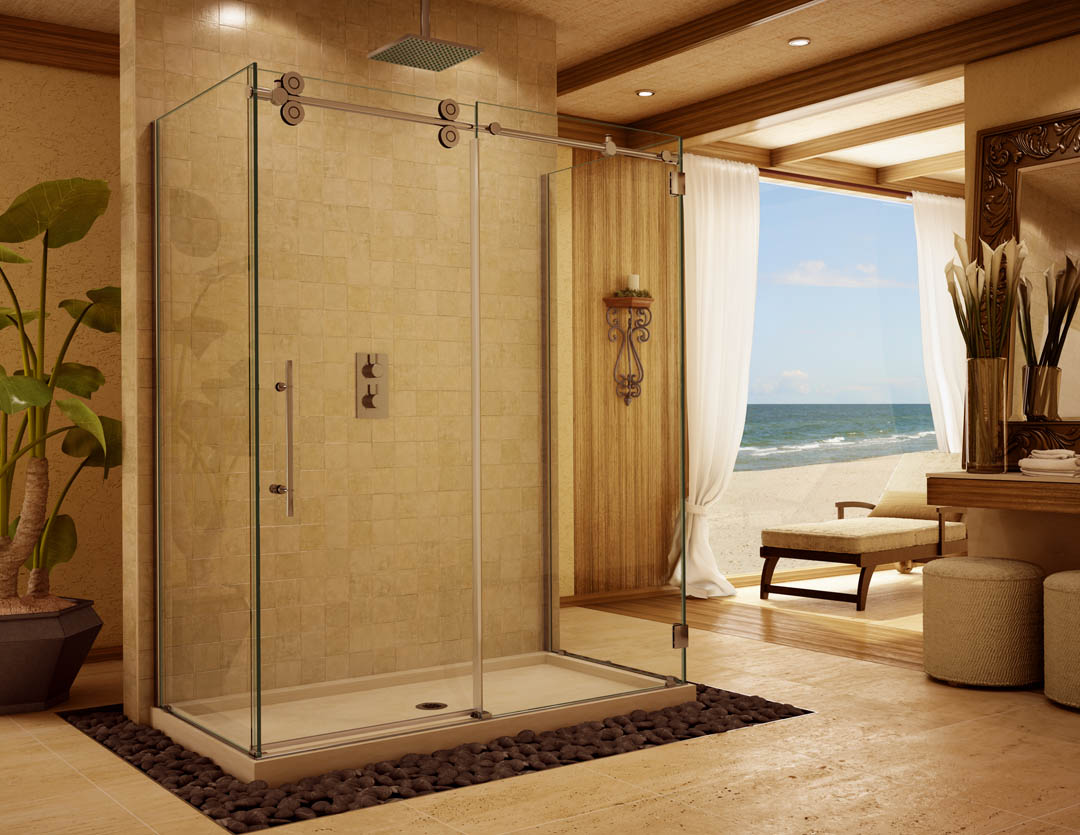
Why Proper Shower Door Replacement Balances Precision and Tolerance
Frameless Shower Doors Nashville installs with controlled spacing.
Not too loose.
Not too tight.
Each gap is intentional.
Measured for function.
This matters across Nashville homes.
And in Brentwood and Franklin projects.
A proper shower door replacement allows movement.
Without sacrificing clean lines.
Because true precision includes tolerance.
Beyond Shower Doors: Expansion Matters Everywhere
This concept applies across all glass systems.
Custom glass installation requires spacing for stability.
Glass railings need room for structural movement.
Glass walls and partitions must accommodate slight shifts.
Wine enclosures rely on balanced fit.
Commercial glass and storefront windows follow similar rules.
In window replacement Nashville projects,
expansion gaps protect longevity.
A glazier accounts for movement before installation.
Not after issues appear.
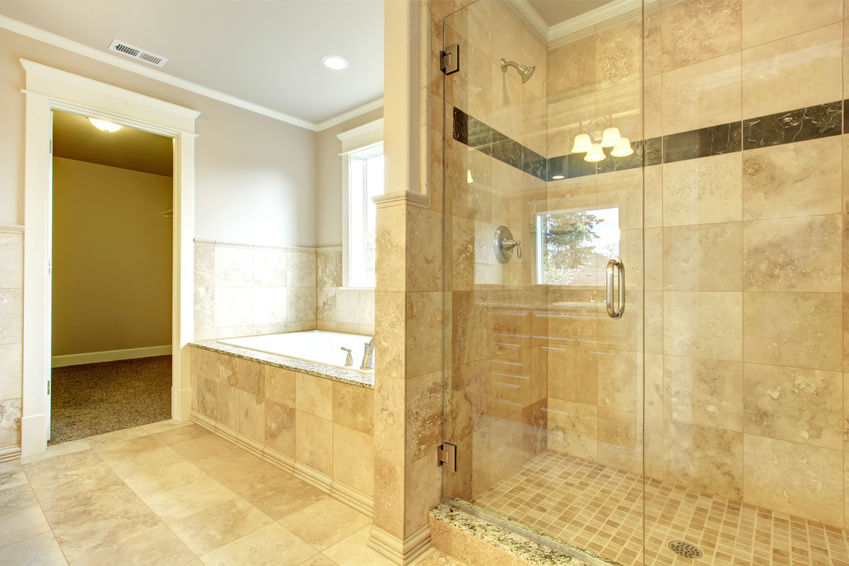
Why High-End Homes Demand Balanced Installation
In high-end homes, finishes must stay clean.
Doors should feel effortless.
Not forced.
When spacing is wrong, it shows.
Through movement. Through sound.
That is why No Expansion Gap in Frameless Shower Glass Installation becomes noticeable quickly in these environments.
Performance reveals everything.
The Cost of Over-Tight Installation
A tight install feels secure.
At first.
But over time, stress increases.
Hardware wears faster.
Glass carries pressure unevenly.
The system ages prematurely.
Correction may require adjustment.
Or full replacement.
Because the issue is built into the fit.
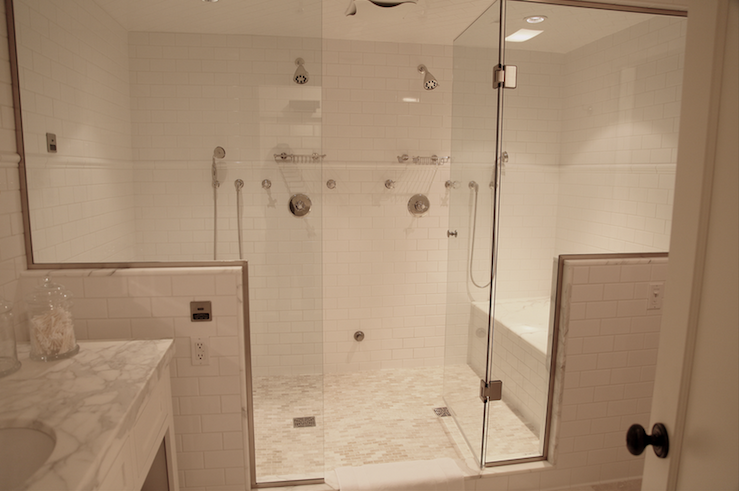
Final Thought on No Expansion Gap in Frameless Shower Glass Installation
Precision is not about removing space.
It is about controlling it.
Glass needs room to function.
Not just to fit.
When installed correctly,
the system moves naturally.
When installed too tight,
it resists itself.
And in the long run,
balance is what keeps the installation working the way it should.