
Choosing the Wrong Shower Door Type for Bathroom Layout
When the Upgrade Makes the Room Feel Smaller
The glass looked high-end.
Clean. Minimal. Modern.
A frameless swing door felt like the right choice.
It looked upscale in every photo.
Then it opened.
Into the vanity.
Across the walkway.
The space tightened immediately.
This is how Choosing the Wrong Shower Door Type for Bathroom Layout begins.
Not with a defect. With a mismatch.
The Decision That Looks Right on Paper
She chose a swing door for style.
It felt custom. Elevated.
But the bathroom was tight.
Clearances were limited.
That detail was overlooked.
Once installed, the door arc became the issue.
It interfered with movement.
Stepping out required adjustment.
The space lost flow.
This is the core of Choosing the Wrong Shower Door Type for Bathroom Layout.
A design choice that ignores function.
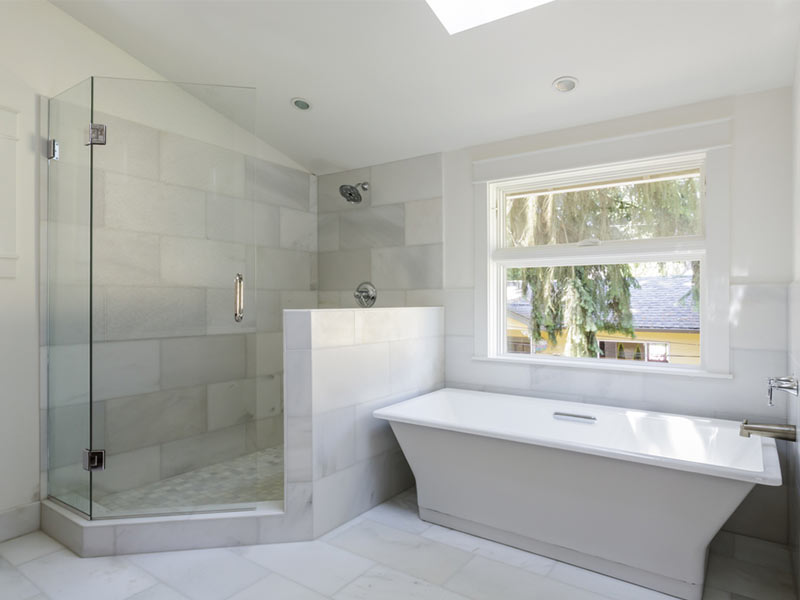
Why Door Type Matters More Than Appearance
Frameless shower doors are not one-size.
Each type serves a layout.
Swing doors need space to open.
Sliding systems conserve it.
Barn door glass setups manage tight paths differently.
Semi-frameless options can shift configurations.
Choosing the wrong type changes how the room works.
Not just how it looks.
This is where many shower door replacement decisions fail.
They focus on style over movement.
11. Choosing the Wrong Shower Door Type for Bathroom Layout
12. Mis-Cut Sliding Shower Door Track Causing System Failure
13. Incorrect Shower Glass Panel Orientation Causing Leaks
14. Overtightened Shower Door Hardware Causing Glass Cracking
15. No Stud Support Behind Shower Door Hardware Installation
16. Cheap Shower Door Hardware Rust and Corrosion Failure
17. Misaligned Frameless Shower Door Causing Drag and Seal Wear
18. DIY Frameless Shower Enclosure Without Precision Experience
19. Rushed Shower Door Installation Causing Long-Term Failure
20. Shower Door Design That Ignores Water Flow and Function
What Homeowners Notice After Installation
At first, it still looks great.
The finish is clean.
Then daily use begins.
The door hits or nearly hits nearby fixtures.
The bath mat area gets compressed.
Movement feels awkward.
Not natural.
Nothing is broken.
But everything feels off.
This is when Choosing the Wrong Shower Door Type for Bathroom Layout becomes clear.
The system works. The space does not.
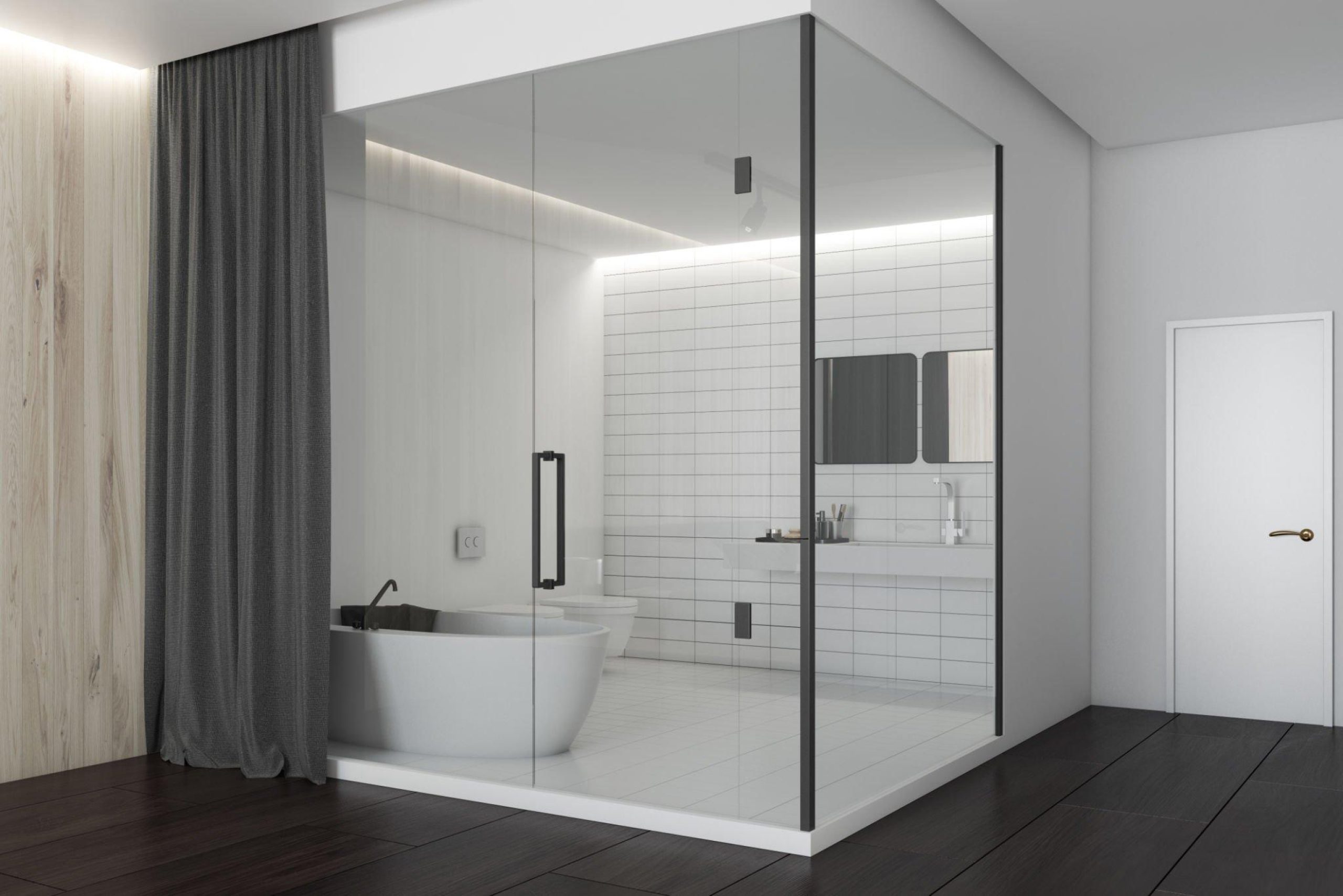
Why Proper Shower Door Replacement Starts With Layout
Frameless Shower Doors Nashville evaluates space before selecting glass.
Door type is matched to layout.
Not just preference.
Clearances are measured.
Movement paths are considered.
This matters in Nashville homes.
And in Brentwood and Franklin remodels.
A proper shower door replacement improves how the room functions.
Not just how it appears.
Because layout drives performance.
Beyond Shower Doors: Layout Thinking Across Glass
Layout matters in all glass installations.
Custom glass installation must fit the environment.
Glass railings require proper spacing and flow.
Glass walls and partitions shape how spaces move.
Wine enclosures must integrate cleanly into rooms.
Commercial glass and storefront windows depend on access and function.
Even window replacement Nashville projects consider placement and usability.
A glazier evaluates how glass interacts with space.
Not just where it sits.
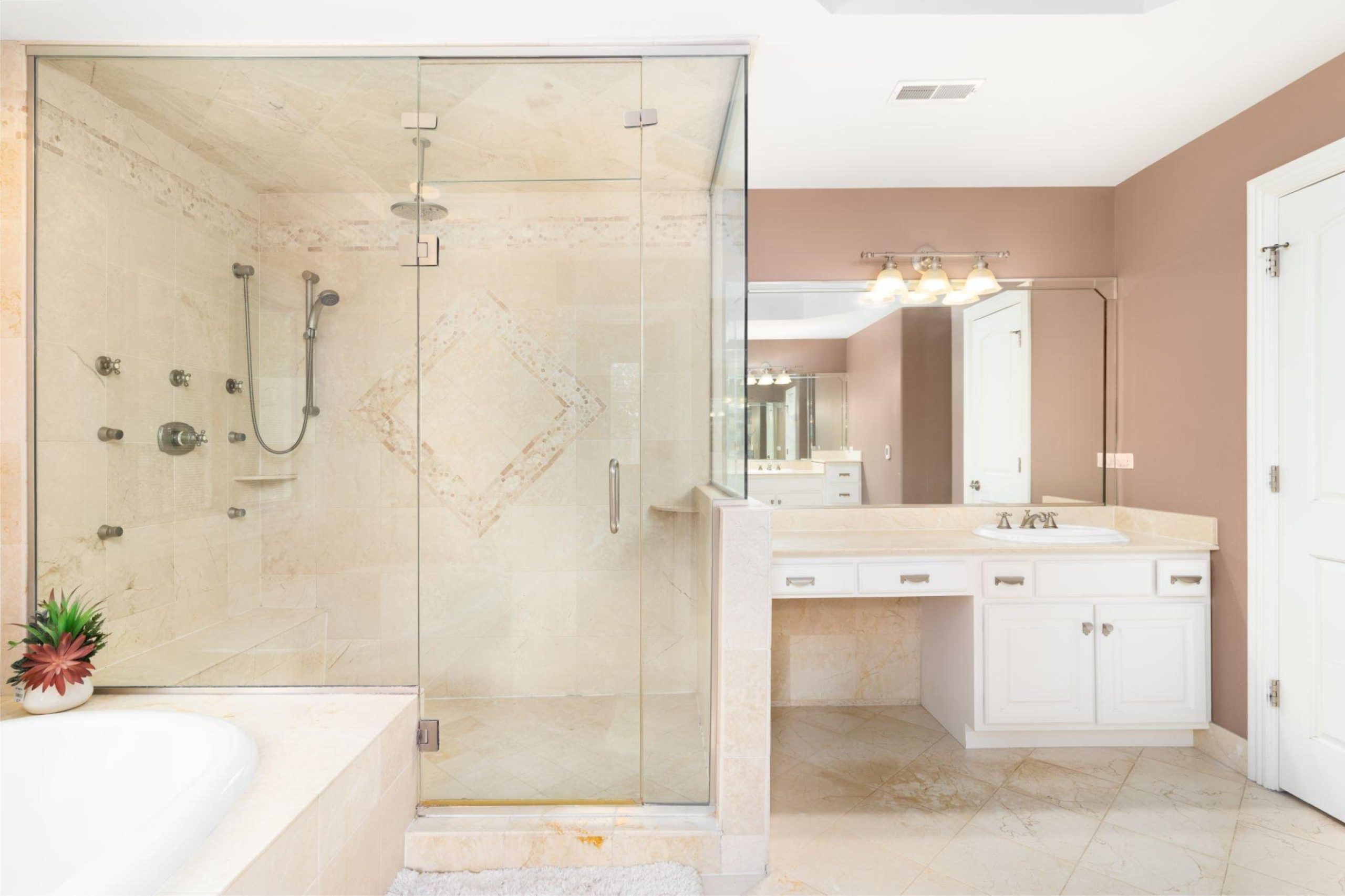
Why High-End Homes Demand Functional Design
In high-end homes, design must perform.
It is not just about appearance.
It is about experience.
Movement should feel natural.
Effortless.
When it doesn’t, it stands out.
That is why Choosing the Wrong Shower Door Type for Bathroom Layout becomes obvious quickly in these environments.
Because function is expected.
The Cost of Choosing the Wrong Configuration
This issue does not fix itself.
The door continues to interfere.
The space remains compromised.
Eventually, replacement becomes the solution.
Not adjustment.
Because the wrong system was chosen from the start.
This applies across residential and commercial glass.
Fit determines usability.
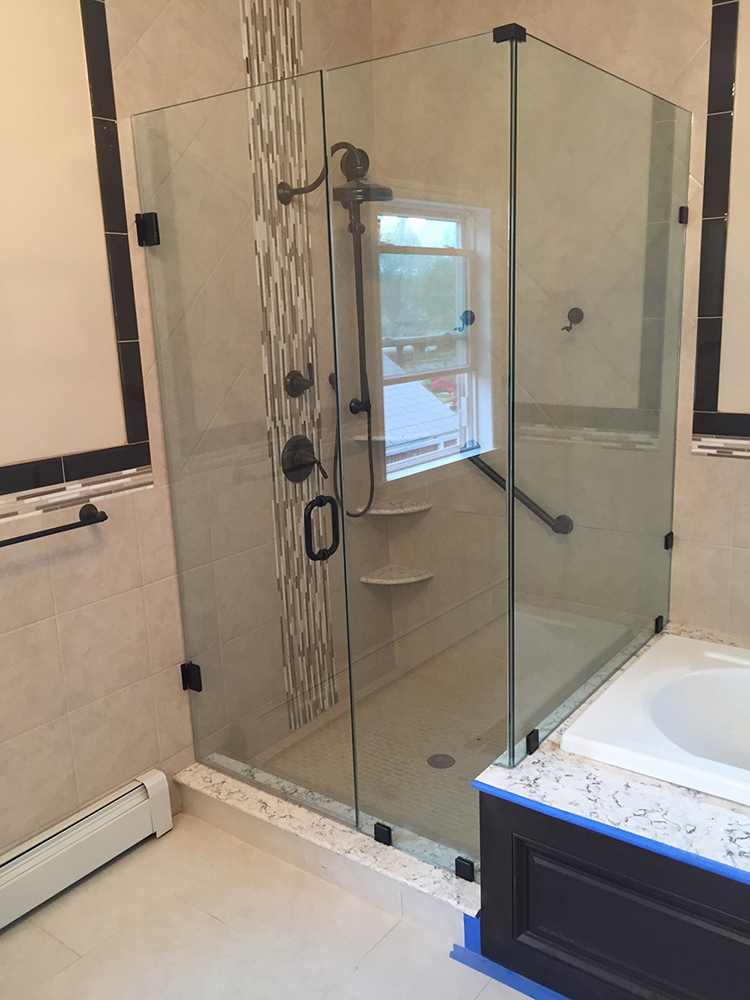
Final Thought on Choosing the Wrong Shower Door Type for Bathroom Layout
A door can look perfect and still be wrong.
Glass should enhance the space.
Not restrict it.
When the right system is chosen,
movement feels easy.
When it is not,
every use reminds you.
The difference is not in the glass itself.
It is in how it fits the room.
And in the long run,
that decision defines whether the space works the way it should.