Shower Door Design That Ignores Water Flow and Function
When the Design Looks Perfect but Works Against You
The layout looked balanced.
Clean lines. Symmetrical placement.
The door felt high-end.
Everything matched visually.
Then the shower ran.
Water pushed toward the opening.
Not inward.
It escaped where it shouldn’t.
This is how Shower Door Design That Ignores Water Flow and Function begins.
A beautiful design with the wrong behavior.
The Decision That Prioritized Looks Over Movement
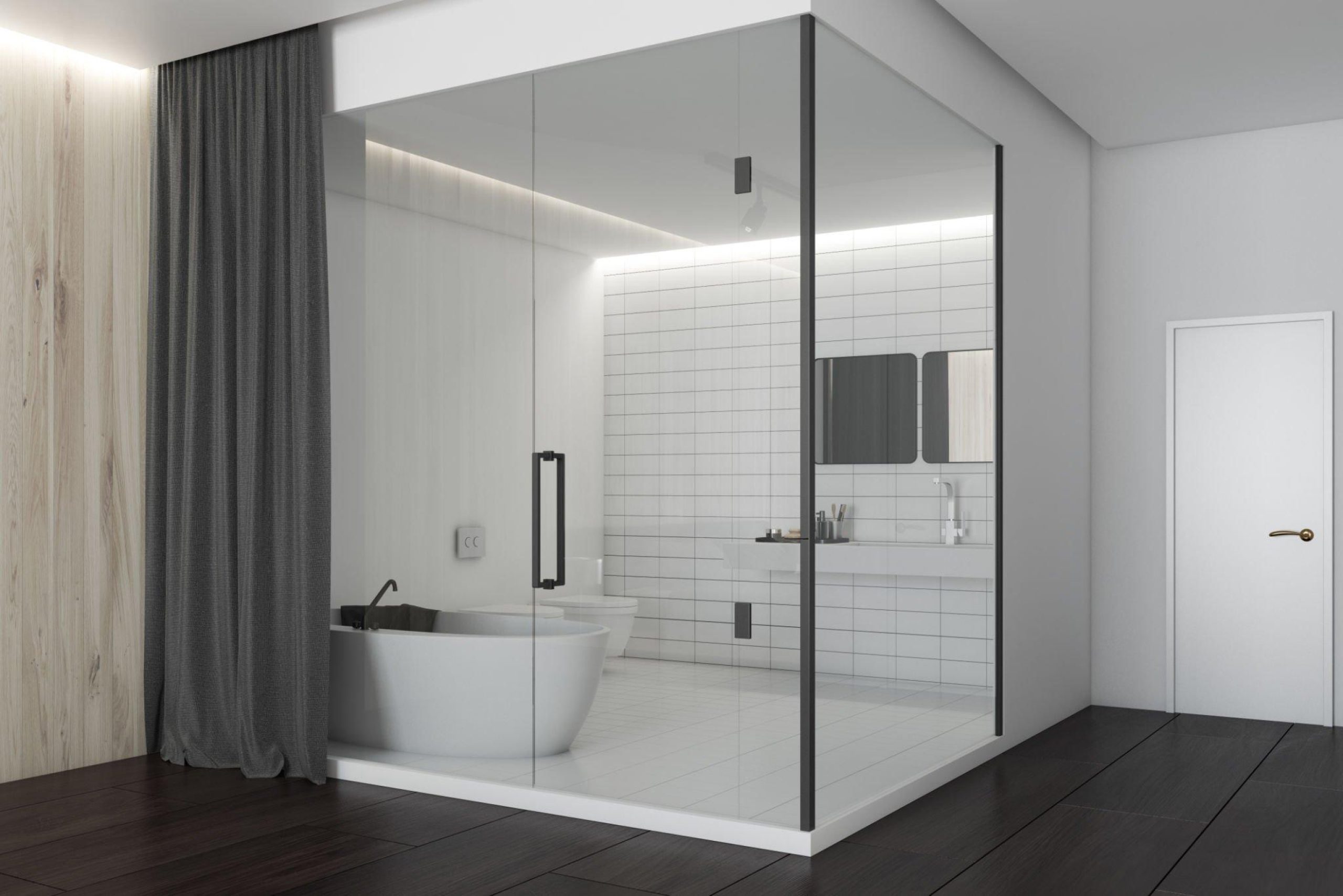
She chose the layout for symmetry.
It looked refined and intentional.
The hinge placement felt centered.
The swing direction looked clean.
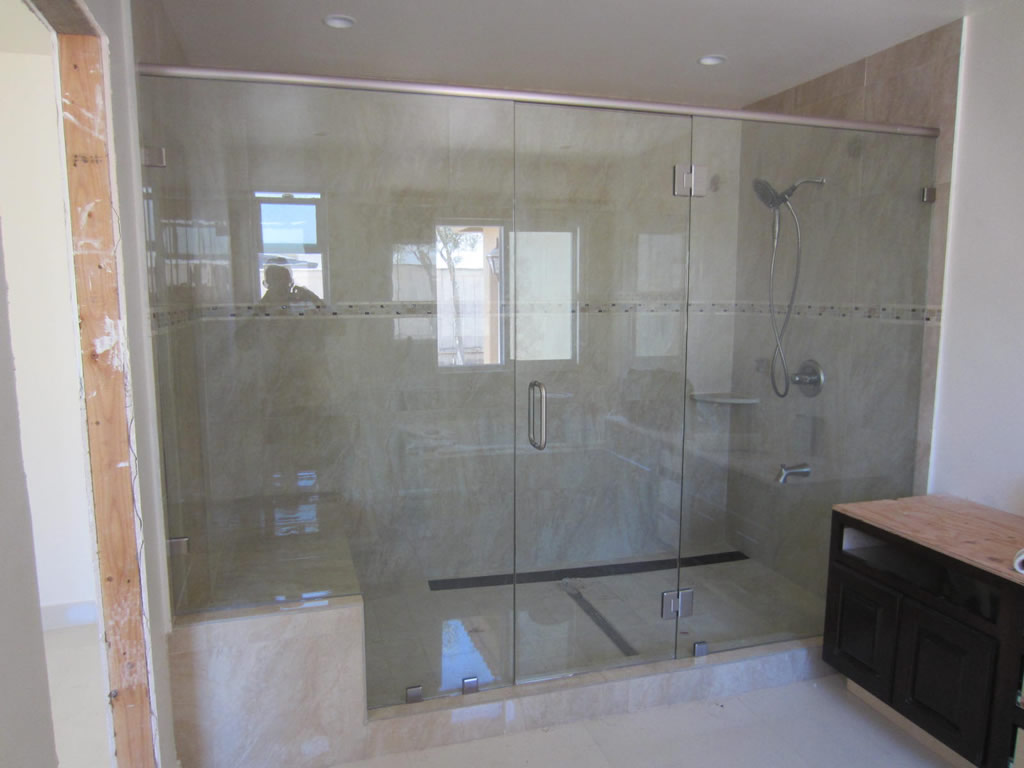
But the showerhead told a different story.
Water pushed toward the opening zone.
Instead of deeper into the enclosure.
That mismatch created exposure.
This is the core of Shower Door Design That Ignores Water Flow and Function.
A design that ignores how water moves.
11. Choosing the Wrong Shower Door Type for Bathroom Layout
12. Mis-Cut Sliding Shower Door Track Causing System Failure
13. Incorrect Shower Glass Panel Orientation Causing Leaks
14. Overtightened Shower Door Hardware Causing Glass Cracking
15. No Stud Support Behind Shower Door Hardware Installation
16. Cheap Shower Door Hardware Rust and Corrosion Failure
17. Misaligned Frameless Shower Door Causing Drag and Seal Wear
18. DIY Frameless Shower Enclosure Without Precision Experience
19. Rushed Shower Door Installation Causing Long-Term Failure
20. Shower Door Design That Ignores Water Flow and Function
Why Water Direction Should Drive Door Design
Frameless shower doors must follow flow.
Not just visual balance.
Hinge placement matters.
Swing direction matters.
Panel positioning matters.
Water always follows pressure and angle.
It does not adjust for design choices.
If the opening sits in the splash path,
water will escape consistently.
No seal or sweep fully corrects that.
Because the layout is working against containment.

What Homeowners Notice After Installation
At first, it looks impressive.
Clean. Modern.
Then daily use begins.
Water lands near the opening.
Repeatedly.
Floors get wet.
Edges need constant attention.
It feels like a sealing issue.
But it is not.
It is a layout issue.
This is when Shower Door Design That Ignores Water Flow and Function becomes clear.
The system was designed without considering use.
Why Proper Shower Door Replacement Starts With Function
Frameless Shower Doors Nashville designs around water movement.
Not just appearance.
Hinge placement is intentional.
Swing direction is planned.
Each layout matches how the shower operates.
This matters in Nashville homes.
And in Brentwood and Franklin projects.
A proper shower door replacement improves both look and function.
Not one at the expense of the other.
Because performance begins with layout.
Beyond Shower Doors: Functional Design Across Glass Systems
Function-first design applies everywhere.
Custom glass installation must match real use.
Glass railings follow movement and safety.
Glass walls and partitions shape how spaces work.
Wine enclosures must seal properly within their environment.
Commercial glass and storefront windows depend on correct orientation and flow.
In window replacement Nashville projects,
placement affects drainage and performance.
A glazier evaluates how systems behave.
Not just how they look.
Why High-End Homes Demand Functional Precision
In high-end homes, appearance is expected.
But function is required.
Water escaping is not acceptable.
Even in small amounts.
Design must perform.
That is why Shower Door Design That Ignores Water Flow and Function becomes obvious quickly in these spaces.
Because expectations are higher.
The Cost of Designing Without Function
A layout like this cannot be fixed easily.
Reconfiguration is required.
Sometimes full replacement.
Because the system was built around the wrong priority.
Water damage may develop over time.
Surfaces may wear prematurely.
All from a design that ignored flow.
Final Thought on Shower Door Design That Ignores Water Flow and Function
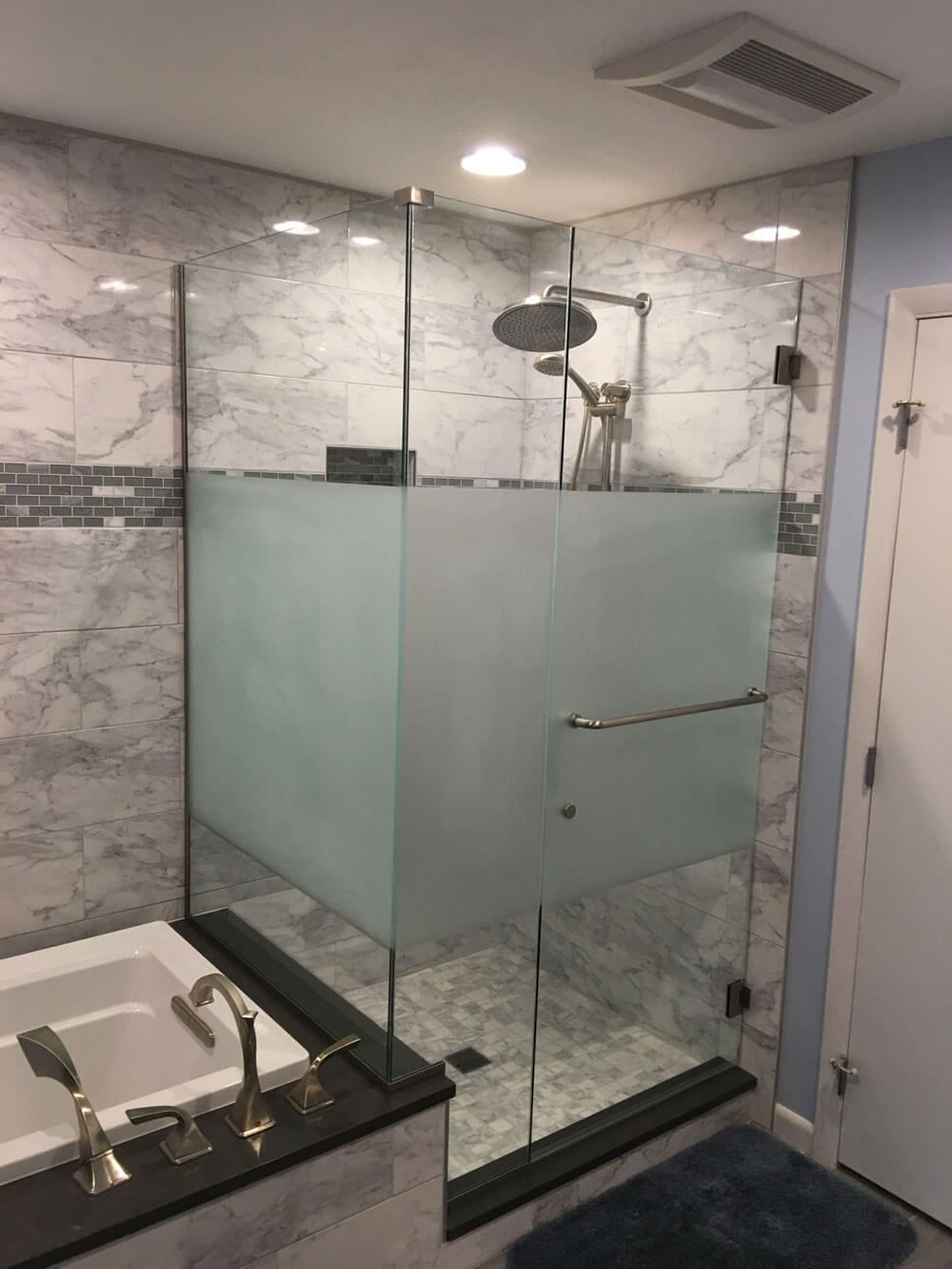
A design can look perfect and still fail.
Glass should follow how the space is used.
Not just how it appears.
When layout and function align,
water stays contained.
When they don’t,
it escapes every time.
And in the long run,
designing for use is what keeps the system working the way it should.